














Family Matlabi Rishte Quotes reflect the painful reality where family bonds sometimes become conditional and interest-based. Poets and thinkers like Mirza Ghalib and Faiz Ahmed Faiz highlighted how emotions lose value when relationships depend on benefit rather than love. These quotes express disappointment, emotional hurt, and the awakening that not all family ties are unconditional.
Pakistani poets such as Jaun Elia, Ahmed Faraz, and Gulzar portrayed selfish family relationships with deep emotional honesty. Their words show how people change when needs are fulfilled and disappear during hard times. Such quotes speak about broken trust, silent suffering, and the loneliness felt when expectations from family are not met.
Overall, family matlabi rishte quotes encourage awareness, self-respect, and emotional maturity. Like the wisdom found in Rumi’s poetry, they remind readers to value sincerity over blood relations alone. By understanding this reality, these quotes help people protect their hearts, set boundaries, and seek genuine love beyond selfish connections. Best Family Matlabi Rishte Quotes | Heart Touching Family Matlabi Rishte Quotes | Heartfelt Family Matlabi Rishte Quotes | Family Matlabi Rishte Quotes in English
Family Matlabi Rishte Quotes
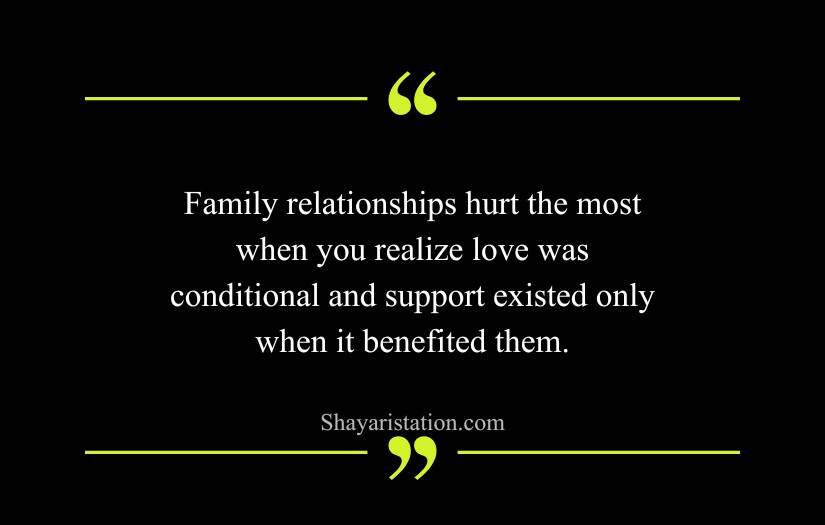
Family relationships hurt the most
when you realize love was
conditional and support existed
only when it benefited them.

The pain of matlabi family ties is
not in their absence but in their
presence that feels empty and self-serving.
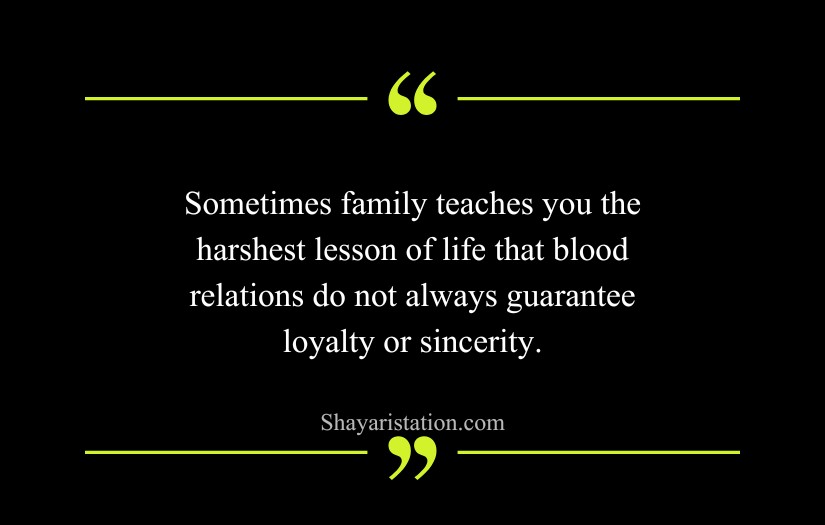
Sometimes family teaches you the
harshest lesson of life that blood
relations do not always guarantee loyalty or sincerity.
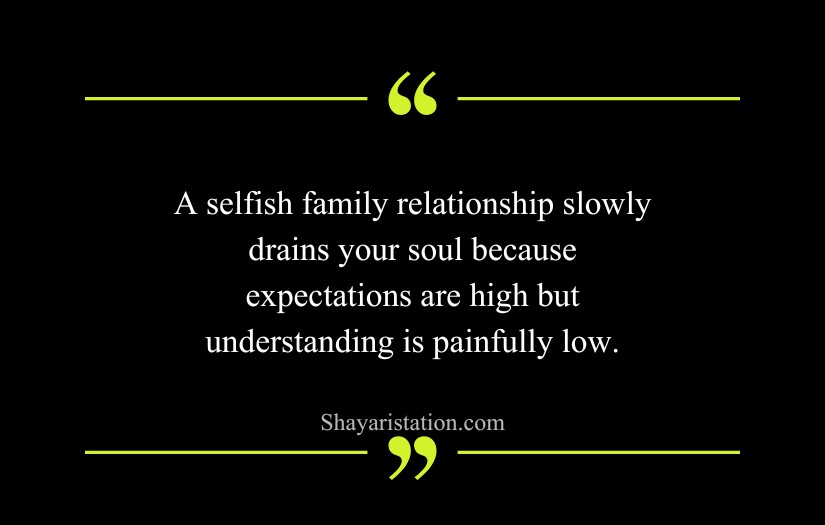
A selfish family relationship slowly
drains your soul because
expectations are high but
understanding is painfully low.

The deepest wounds come from
relatives who smile with you in
success and disappear silently in your struggle.
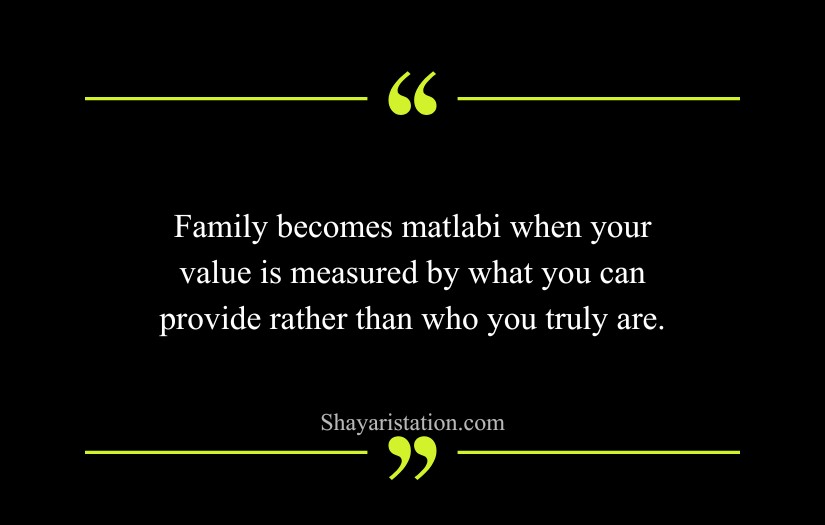
Family becomes matlabi when
your value is measured by what you
can provide rather than who you truly are.

It is heartbreaking when those
who should protect you become
the reason you learn emotional survival.
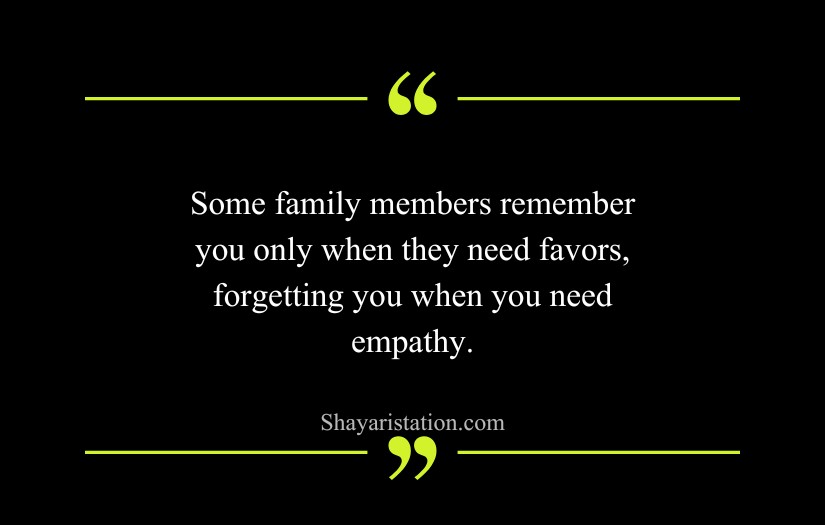
Some family members remember
you only when they need favors,
forgetting you when you need empathy.
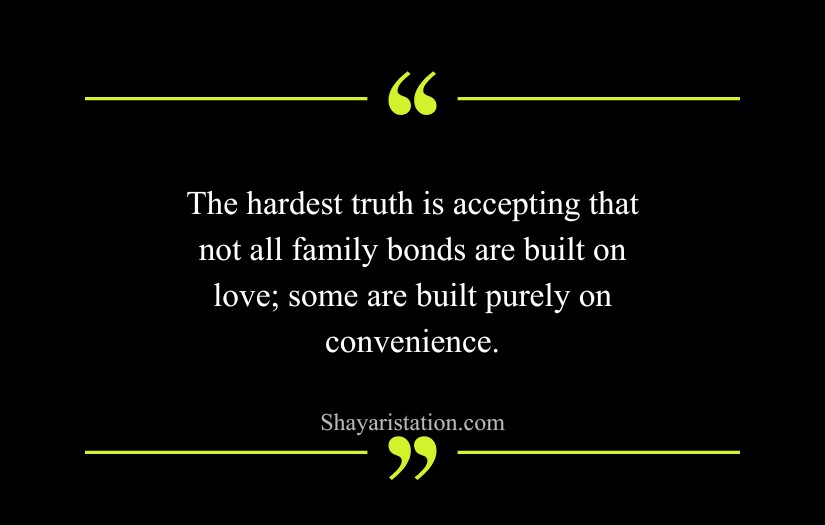
The hardest truth is accepting
that not all family bonds are built on love;
some are built purely on convenience.
A matlabi family relationship
teaches you independence but leaves
behind a quiet ache in the heart.
When family support comes
with conditions, it no longer
feels like love but a transaction.
The silence of family during
your difficult times speaks louder
than their words during celebrations.
Family hypocrisy hurts because
expectations from strangers are low,
but from relatives they are deeply emotional.
A selfish family relationship
makes you strong externally while
silently breaking you inside.
Some relatives call it concern
when it suits them and
distance when it does not.
The saddest realization is learning
that your pain is entertainment
or inconvenience to some family members.
Family becomes matlabi when
they remember your mistakes
more than your sacrifices.
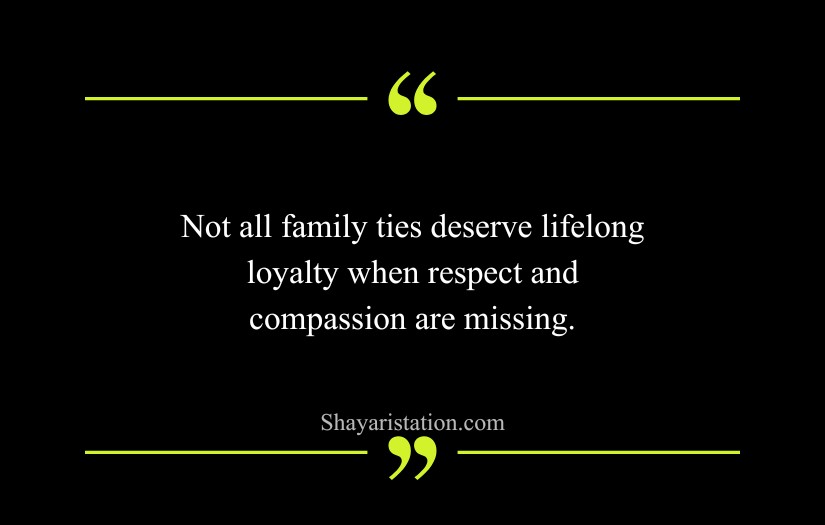
Not all family ties deserve
lifelong loyalty when respect
and compassion are missing.
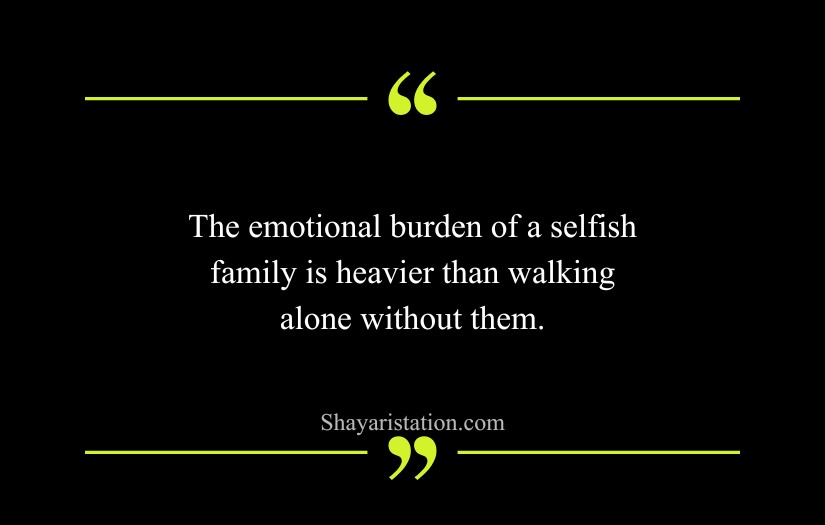
The emotional burden of a
selfish family is heavier than
walking alone without them.
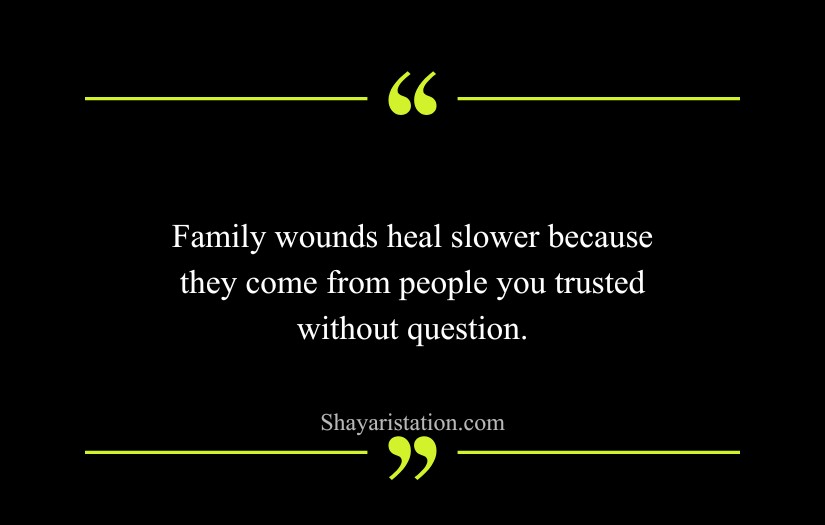
Family wounds heal slower
because they come from people
you trusted without question.
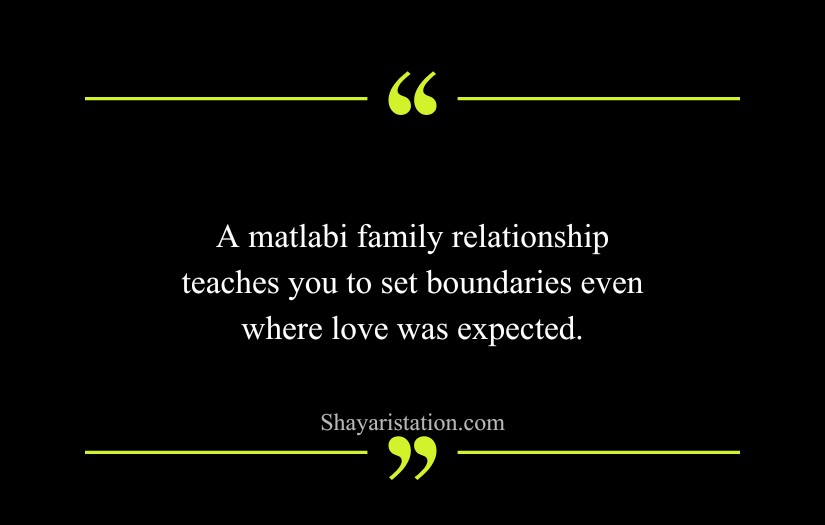
A matlabi family relationship
teaches you to set boundaries
even where love was expected.

Sometimes family unity is
just a mask hiding selfish
intentions and silent competition.
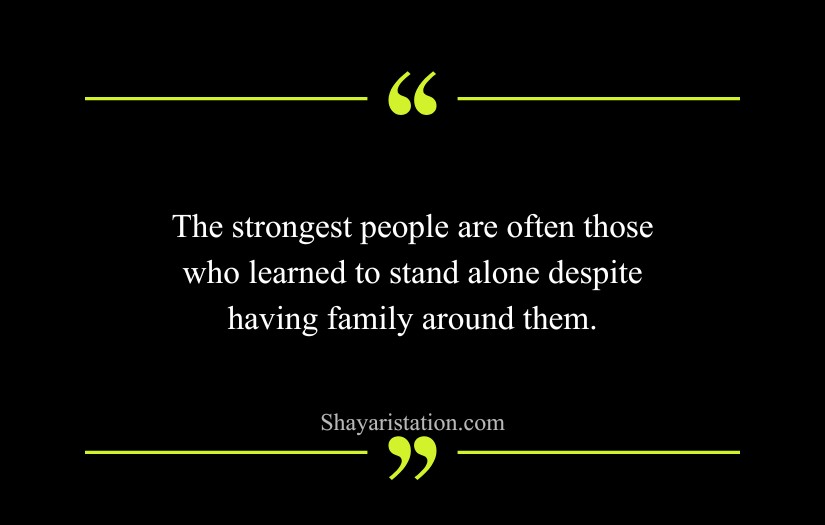
The strongest people are often
those who learned to stand
alone despite having family around them.

Family relationships lose
their meaning when support
depends on personal gain.
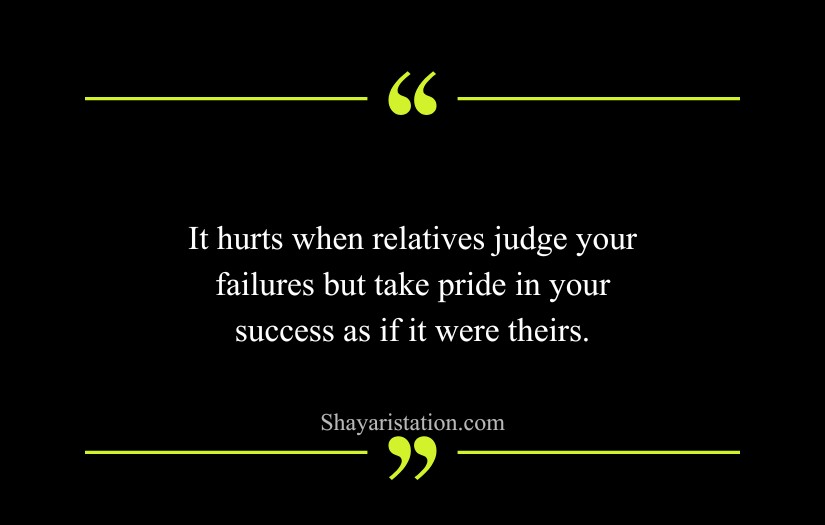
It hurts when relatives judge
your failures but take pride in
your success as if it were theirs.
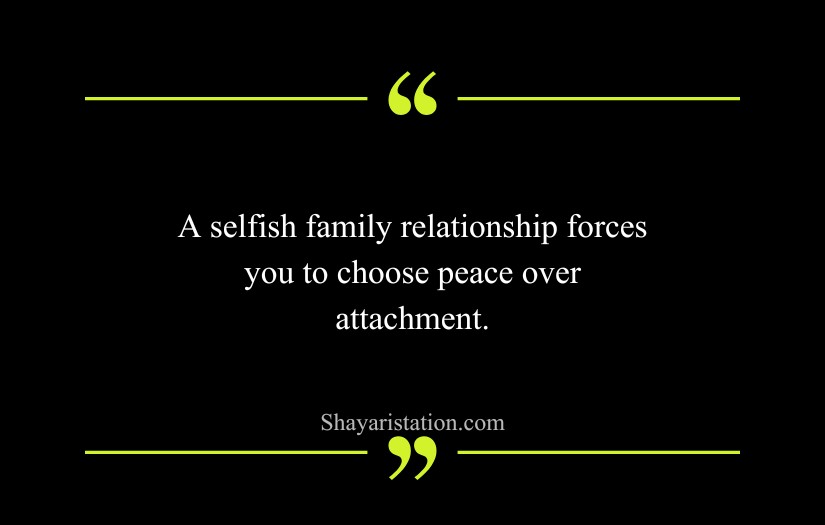
A selfish family relationship
forces you to choose
peace over attachment.
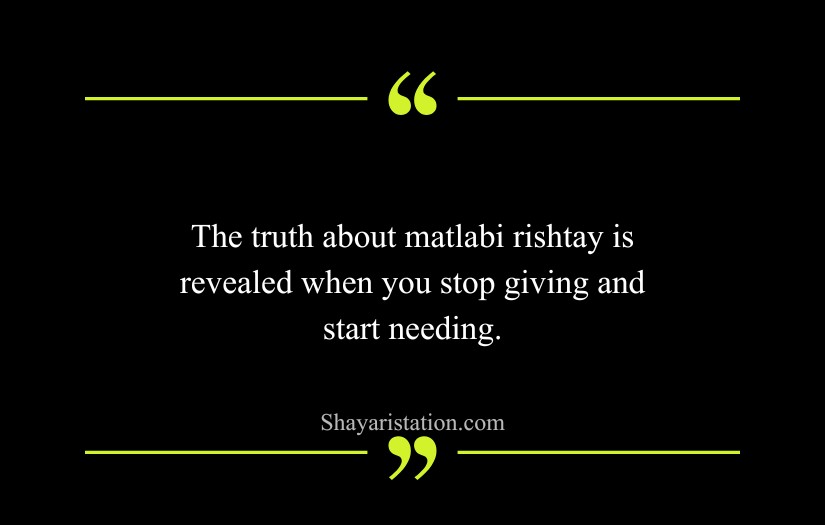
The truth about matlabi rishtay
is revealed when you stop
giving and start needing.

Family love should be unconditional,
but selfishness turns it into
emotional responsibility without care.
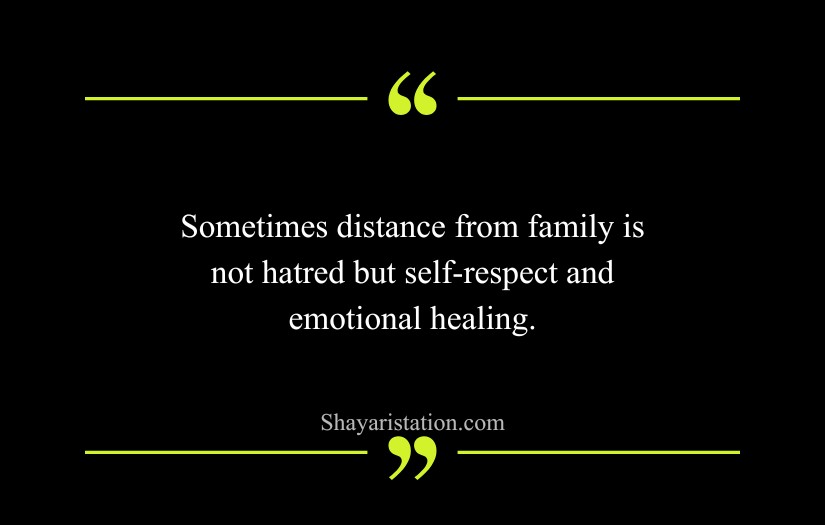
Sometimes distance from family
is not hatred but self-respect
and emotional healing.